Built for the cold
by Vasil Truja, Product Manager of Cantiere delle Marche
Behind the Magic: Maverick’s Onboard Systems
All our explorer yachts are designed, engineered and built in compliance with stringent safety and classification requirements, ensuring reliable and autonomous operation in remote regions where external assistance is unavailable. Given Maverick's Owners' intention to operate at extreme latitudes, including the Arctic, Iceland and Greenland the vessel has been specifically outfitted with systems and structural solutions engineered to maintain full functionality under severe climatic and sea conditions," says Vasco Buonpensiere, co-founder and CEO of Cantiere delle Marche.
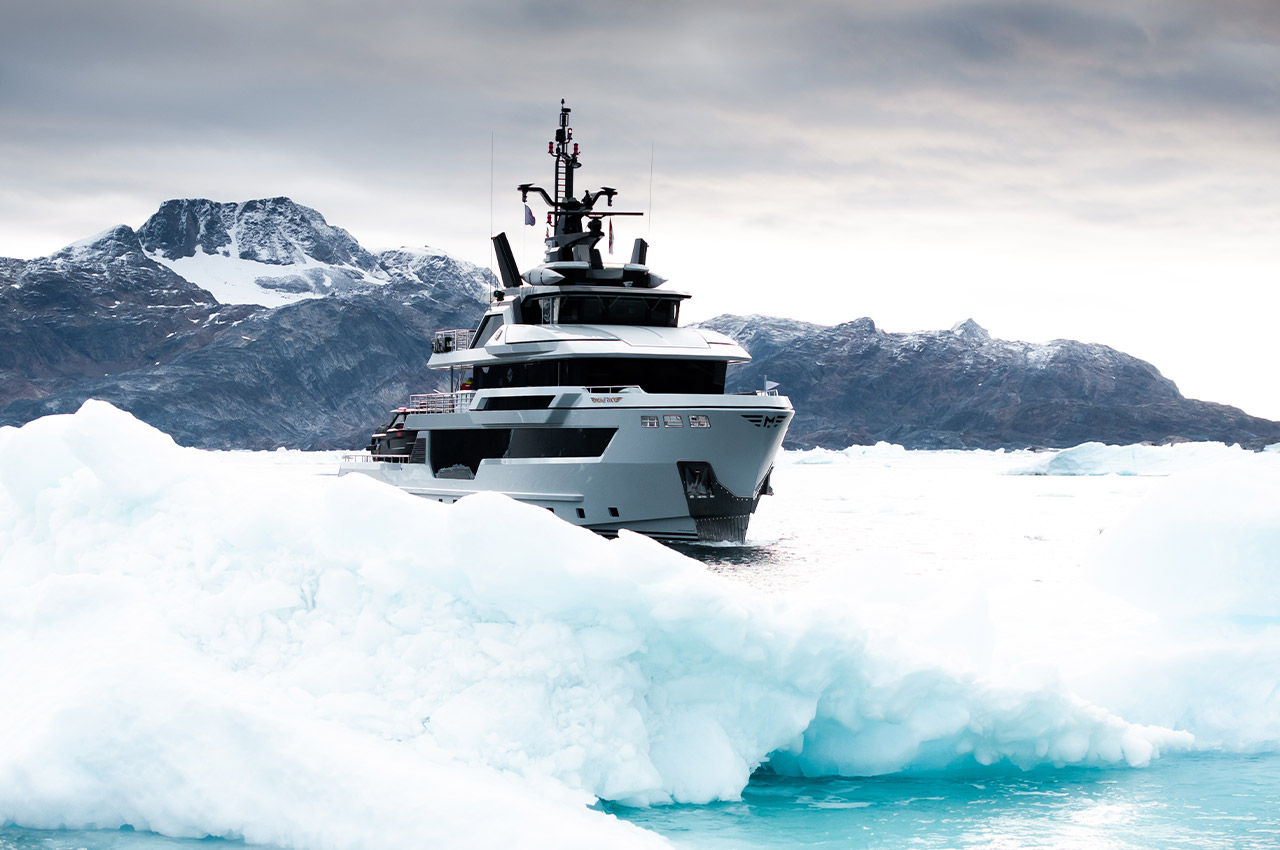
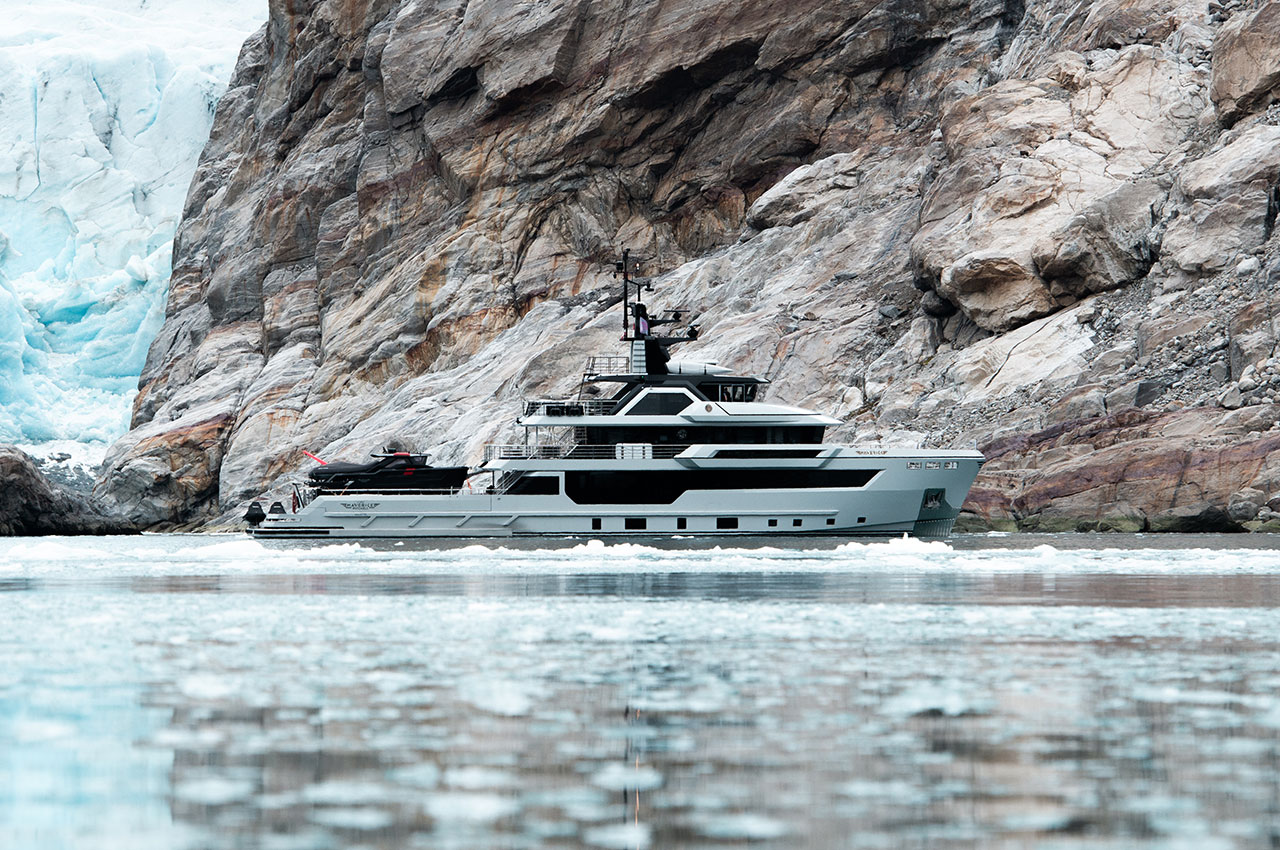
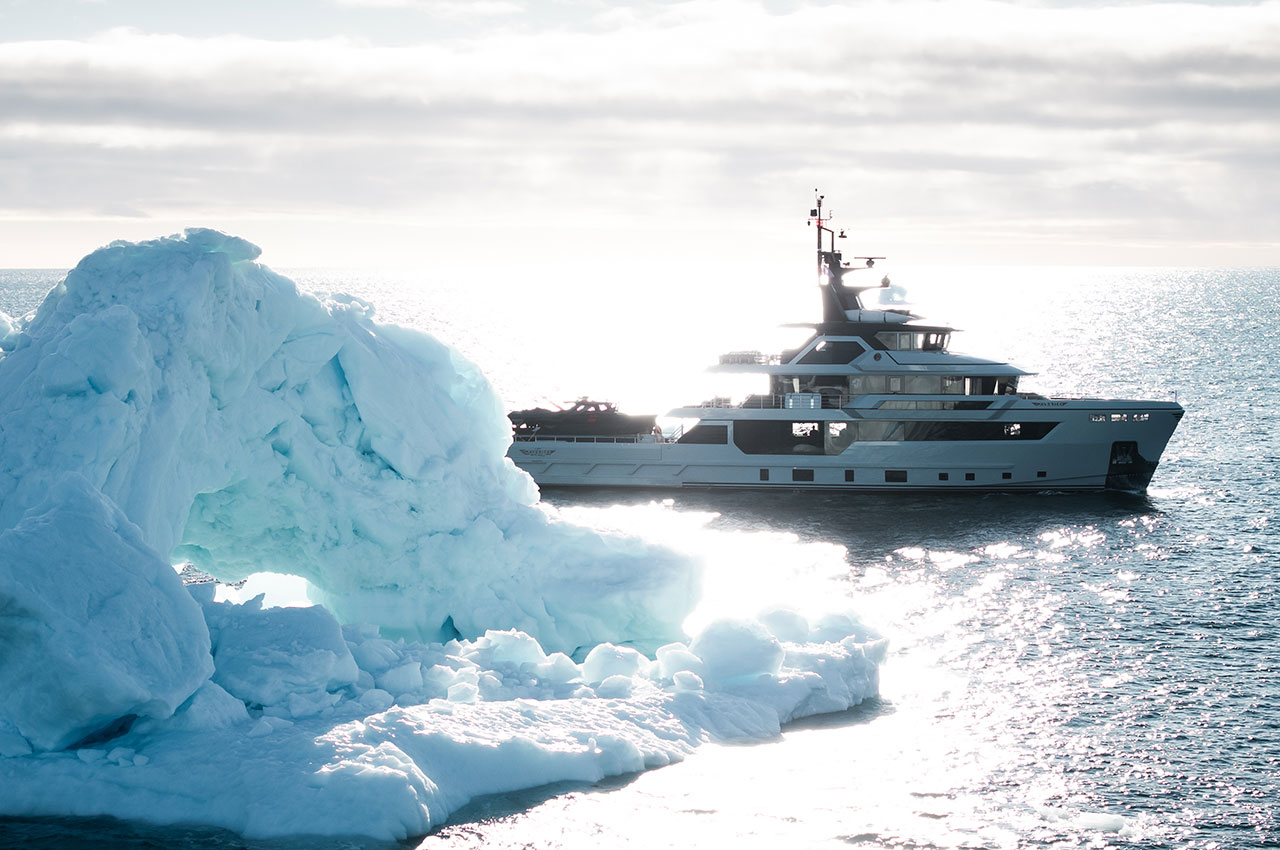
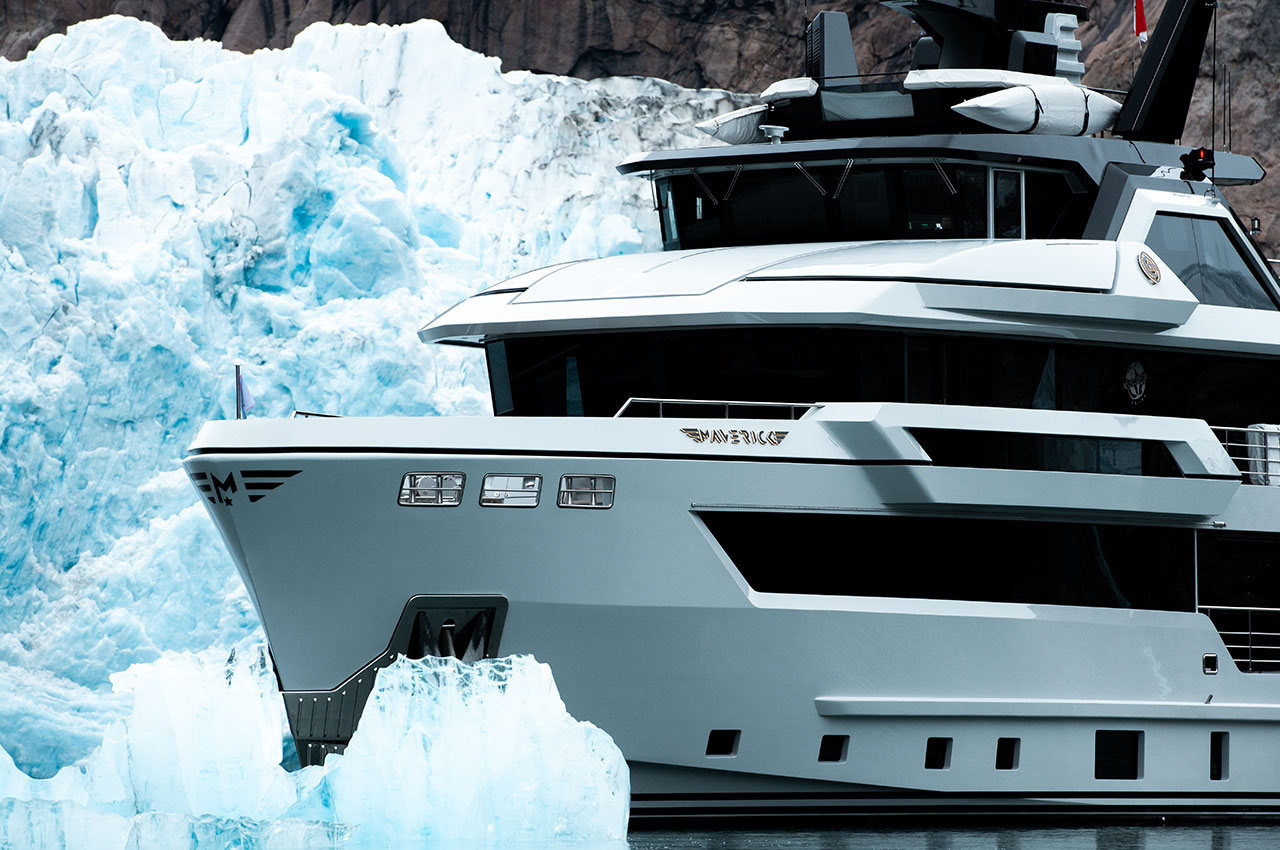
An important structural feature is the 12 mm ice belt, designed to provide enhanced hull protection and allow safe navigation through icy waters, floes and iceberg debris.
A comprehensive range of technical measures has been implemented, including reinforced structural elements, cold-climate-rated machinery, redundant essential systems, enhanced insulation, and dedicated heating and protection arrangements. Together, these features ensure safe passage, operational continuity and the reliable performance of all onboard machinery in polar and sub-polar environments.
We met Vasil Truja, Product Manager of Cantiere delle Marche to discover more.
He pointed out the main features and certifications Maverick got to sail in arctic waters.
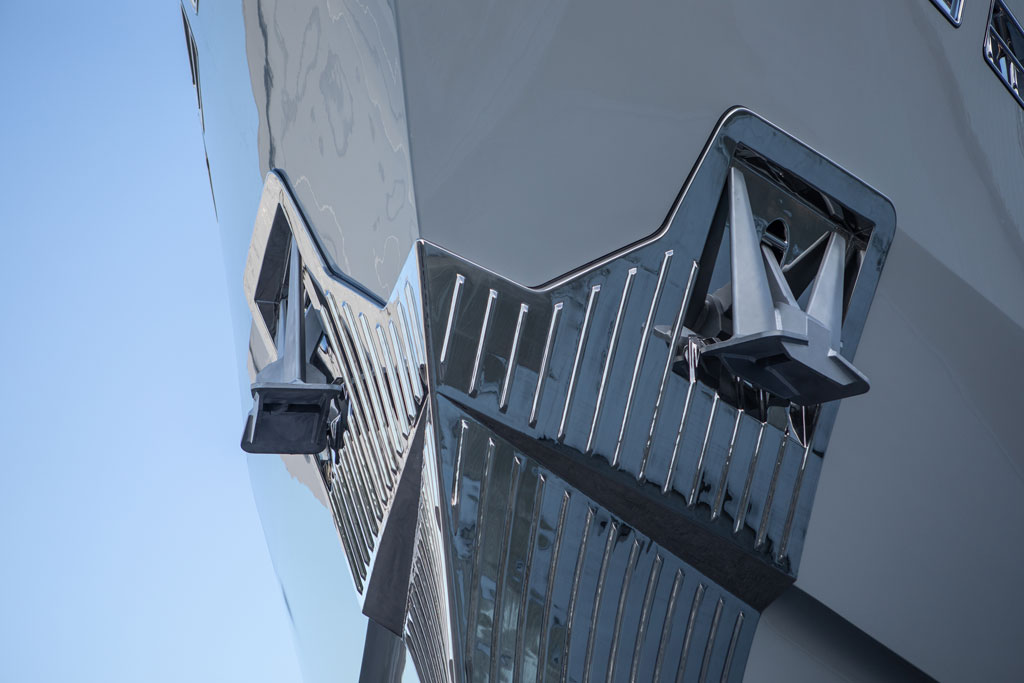
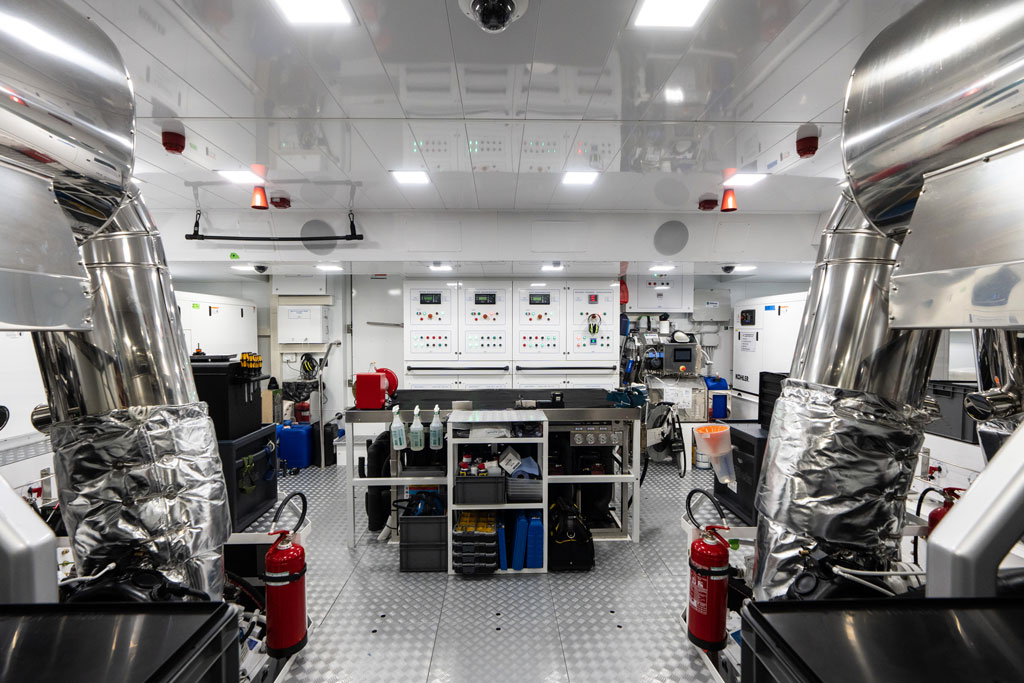
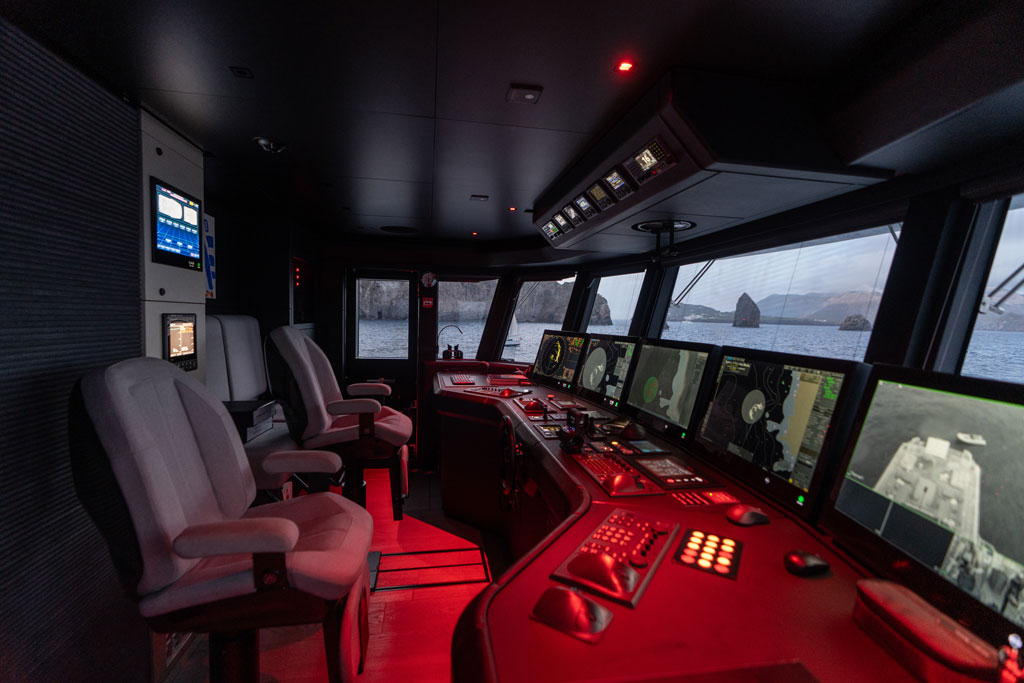
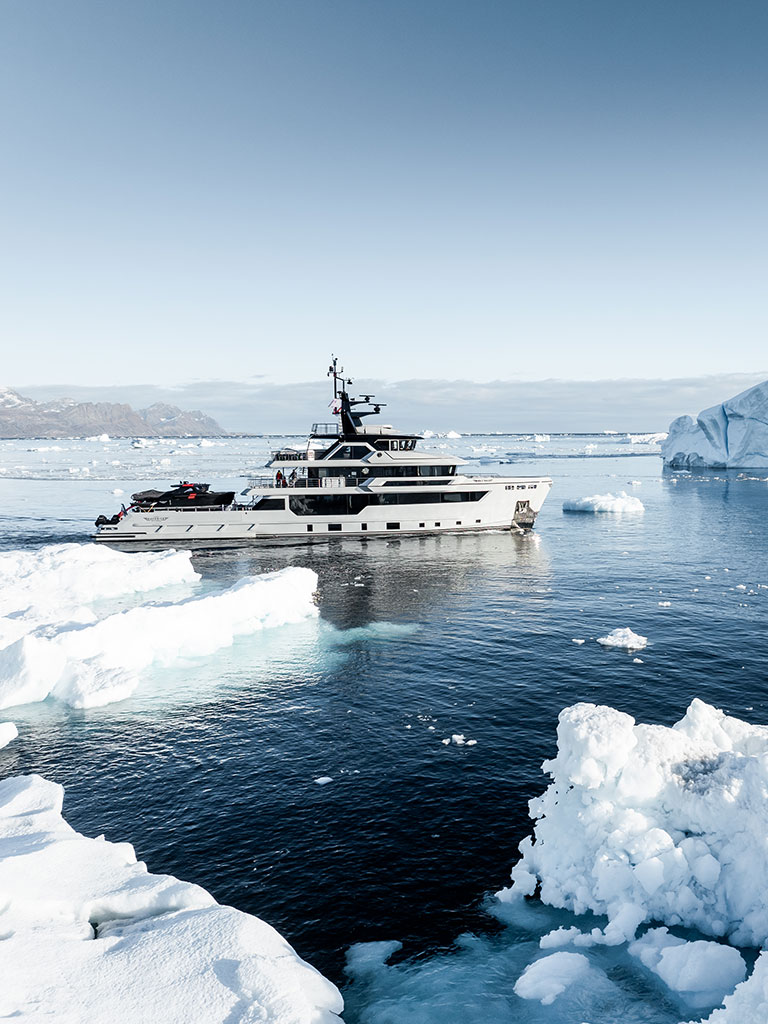
Maverick is fully suitable for navigation in polar regions as a Polar Code Category C ship.
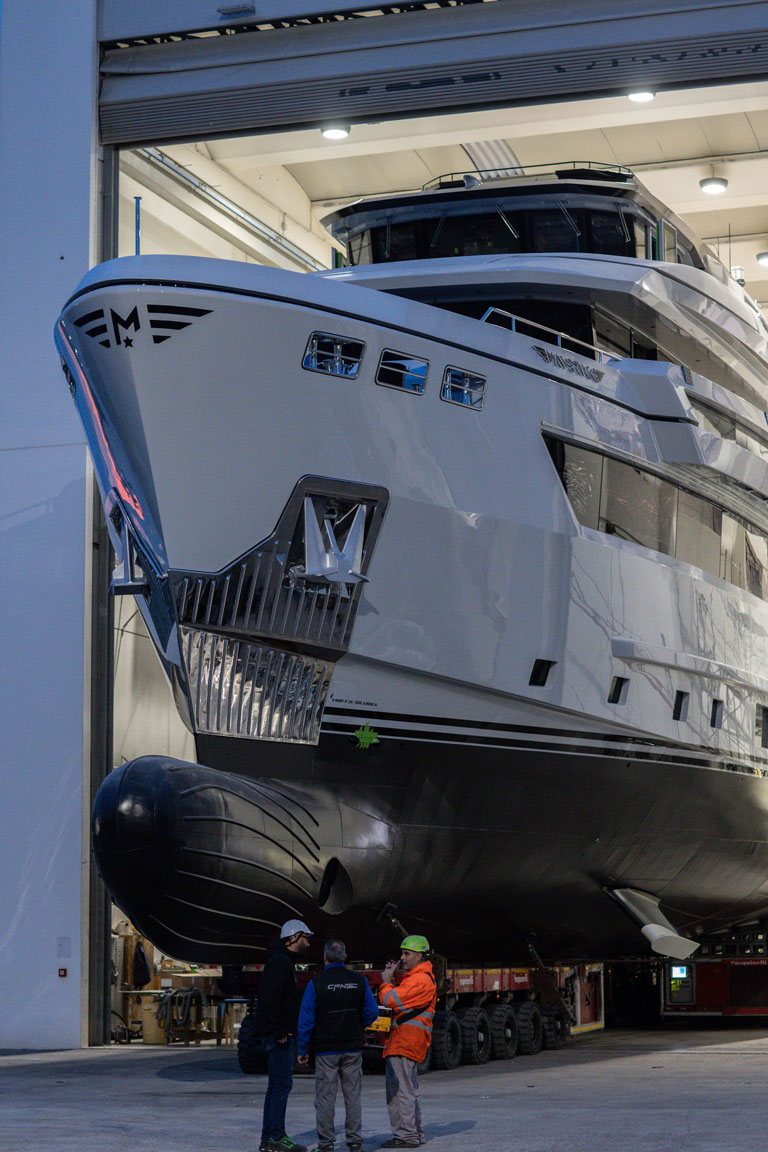
To reinforce the hull structure, 12mm thick steel plates have been used for bulb, keel, and above and below waterline creating what we call an ice-belt.
The sea inlets are heated by tapping coolant from the main engines, preventing freezing and ice ingestion, and ensuring optimal operation of pumping systems and machinery even in cold conditions.
Onboard electronics enable ship-to-ship, ship-to-shore, and SAR center communications, ideal for the signal limitations encountered at high latitudes.
The vessel includes reception of ice charts, weather forecasts, and environmental data via the internet, with independent heading sources and a GNSS compass to ensure Polar Code–compliant safety of navigation.
These features and radio equipment for comprehensive communications, combined with PWOM - Polar Water Operational Manual -, POLARIS - Polar Operational Limit Assessment Risk Indexing System (RIO ≥ 0), and an ETR (Expected Time of Rescue) of 5 days, ensure that the vessel is capable of operating safely in polar areas during the summer season (June–September).
Ice-belt
Maverick's hull (bulb, keel and waterline) has been reinforced to protect the yacht when operating in cold regions where floating ice is present.
Where is the ice-belt located?
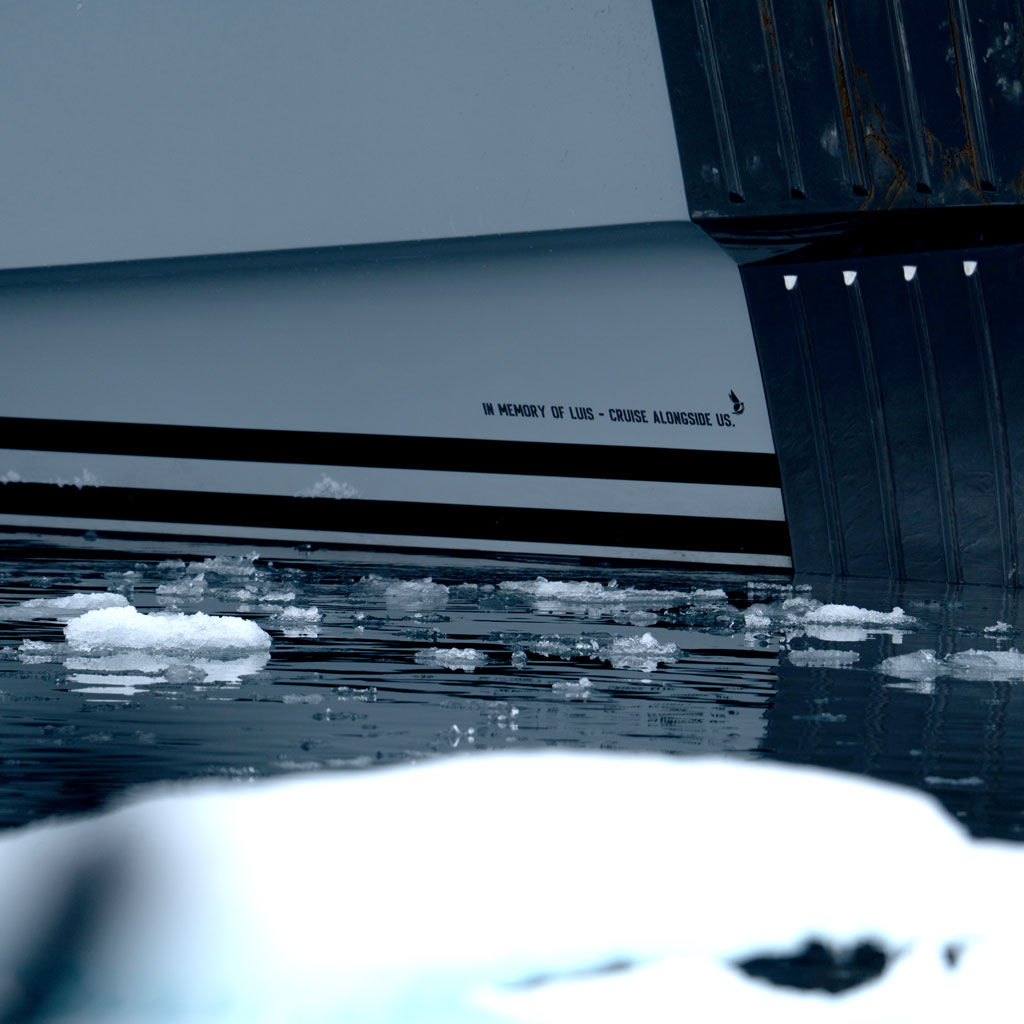
The ice belt (also called an ice strengthening belt) on Maverick is a reinforced horizontal steel band 12mm thick located around the waterline, extending above the loaded waterline to account for waves and loading changes, and below the waterline to cover pitching and rolling effects.
This zone is critical because:
It's where ice floes most frequently press and scrape
Wave action causes ice to impact repeatedly at this height
Why the waterline needs reinforcement?
Ice loads at the waterline are especially severe due to:
Ship motion (pitching and rolling)
Ice ride-up (ice sliding up and down the hull)
Abrasion and localized impact
Without reinforcement, ice can dent plating, crack laminates, damage coatings, cause leaks near the most vulnerable hull zone.
How it differs from an ice-class hull?
An ice belt protects against light to moderate ice contact, while a full ice-class hull has reinforcement over much larger areas, being designed to actively break ice.
Key takeaway
An ice-belt waterline works by concentrating strength, stiffness, and abrasion resistance in the part of the hull that experiences the highest ice interaction, allowing a yacht to safely operate in icy waters without needing a full ice-class hull.